One sec…
Tangerine Dream
Barney’s Farm sativa — tangerine-citrus, head-up effect.
Tangerine Dream is on the shelf at Seattle Cannabis Co. today.
Live stock updates every few minutes. Call ahead if you want a budtender to set one aside.
Tangerine Dream — TD on most shelf tags — came out of the Barney’s Farm breeding program in Amsterdam in the late 2000s, built by crossing G13 with an Afghani and Neville’s A5 Haze. It won the 2010 High Times Cannabis Cup for Best Sativa, and the legacy of that win is still doing work — eighteen years later it is one of the older sativa names that newer customers still walk in asking for by name. The citrus signature is its identifying feature: out of the jar it reads as fresh tangerine peel, slightly more juicy and tropical than the orange of Tropicana Cookies or the loud Tangie cut, with a faint incense-and-earth note underneath from the Afghani parent that keeps it from feeling thin. Sativa-leaning in character: head-up, conversational, the kind of energy that lands without the racey jitters some pure Haze cuts throw. The Afghani in the genetic background is what holds it together — customers who tried older Haze sativas and bounced off the speed often discover Tangerine Dream is what they actually wanted: the citrus and the head-up cadence, but with the ground underneath.
Live inventory
In stock today
4 Tangerine Dream-related products available at Seattle Cannabis Co. right now.
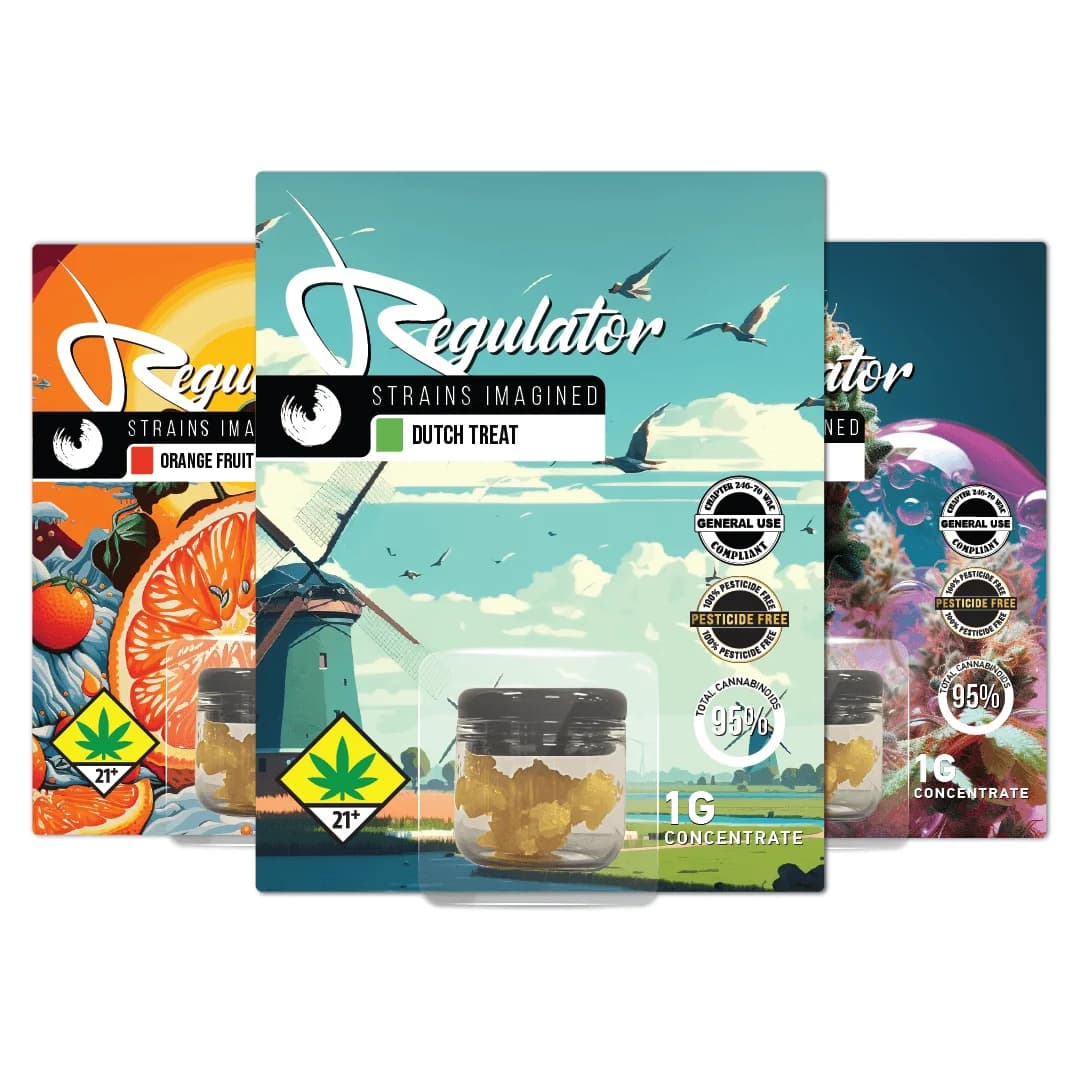
Regulator
Regulator · Sugar · 1g
THC 82.0%·DOH Concentrate
$9.00$15.00
✓ Tangerine Dream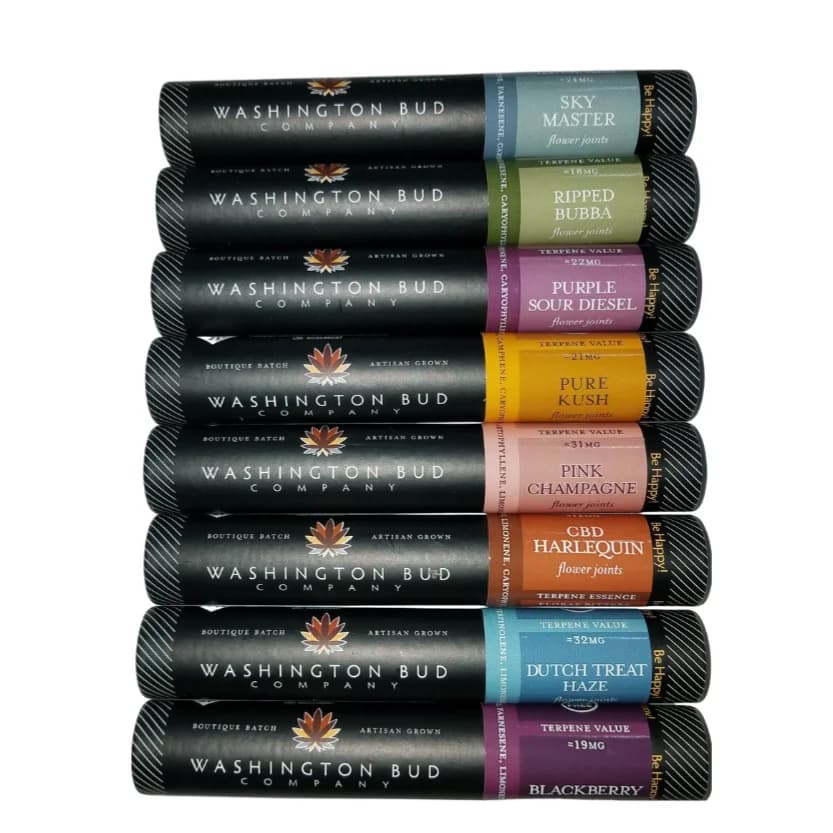
Washington Bud Company
Washington Bud Company · DOH Preroll
THC 20.0%·DOH Preroll
$9.60$16.00
~ Parent: Afghani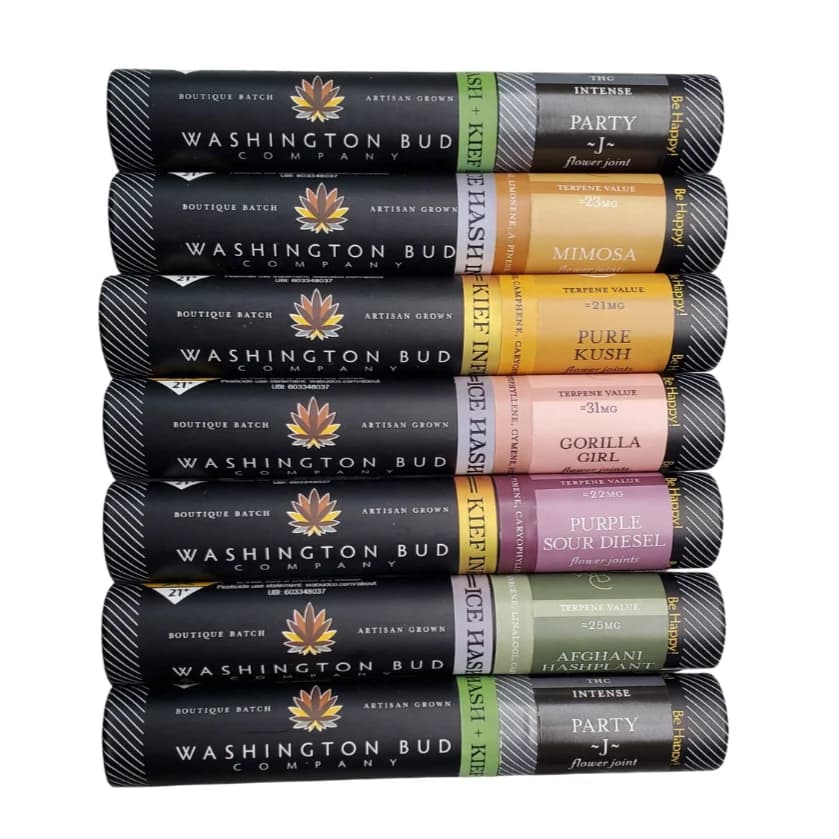
Washington Bud Company
Washington Bud Company · DOH Infused PreRoll
THC 46.8%·DOH Infused PreRoll
$10.80$18.00
~ Parent: Afghani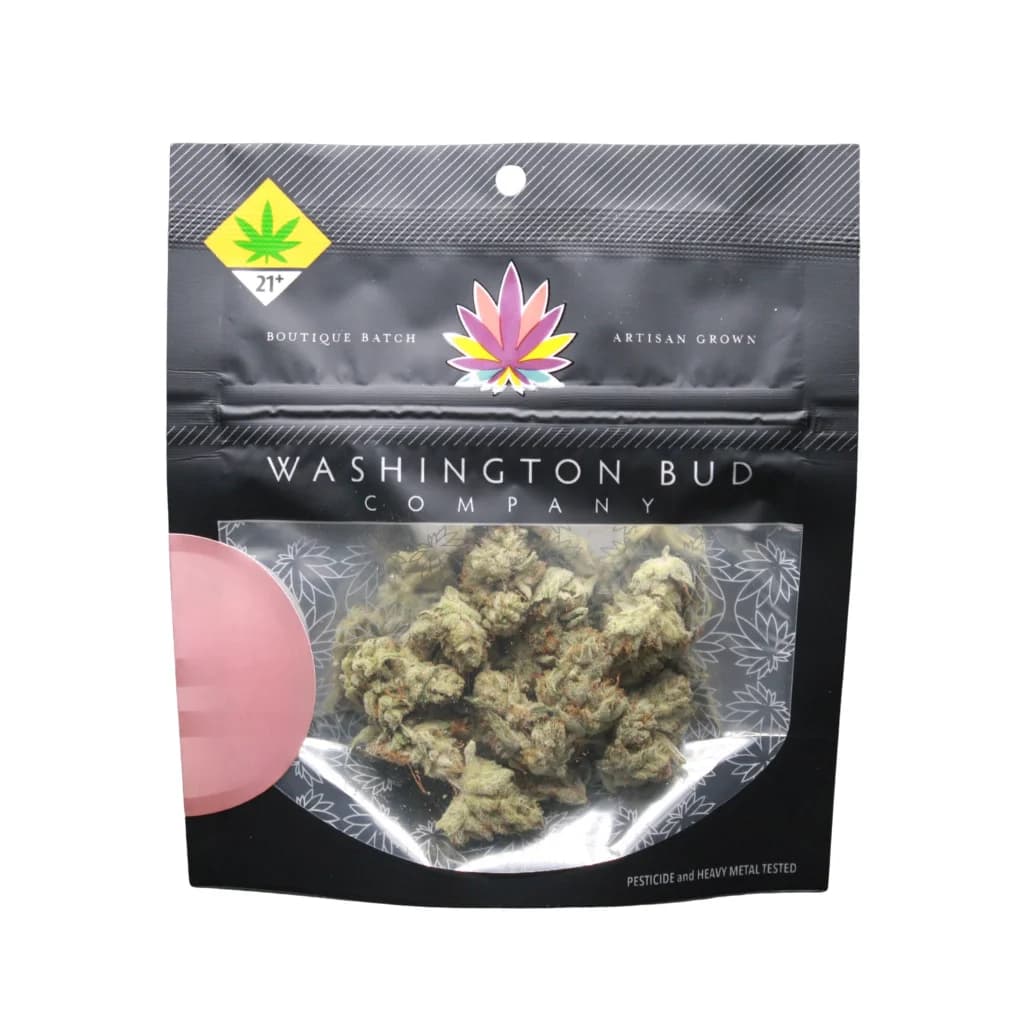
Washington Bud Company
Washington Bud Company · 3.5g
THC 20.1%·DOH Flower
$31.20$52.00
~ Parent: AfghaniGenetics
Family tree
Tangerine Dream's parents, descendants, and sister strains in the catalog.
Sister strains (share a parent)
Aromatic chemistry
Terpene profile
Myrcene
The earthy, slightly tropical undertone that ties the citrus top notes to the Afghani parent. Myrcene reads as ripe-mango skin and the dampness of a greenhouse floor; it is the terpene that anchors the strain in the body rather than letting the citrus float off on its own.
Caryophyllene
A peppery, slightly warm undertone that customers usually do not name on first taste but would miss if it disappeared. Caryophyllene is what explains the warm finish on the exhale — the spicy quality that lives in the back of the palate after the brighter tangerine has dissipated from the nose. Without it the strain would smell perfumed and finish flat.
Limonene
The bright tangerine signature lives here. Limonene is the loudest top note in the jar — closer to fresh tangerine peel than to orange, with a juicy and faintly tropical sweetness that distinguishes it from the navel-orange register of Tropicana Cookies. It is the molecule customers chase across strains when they describe themselves as 'citrus people.'
Customers often describe
UpliftedHappyFocusedEuphoric
Aroma + flavor
TangerineSweet citrusLight earth
Best for
- ✓ Best as a daytime sativa for morning, early afternoon, or pre-walk
- ✓ Pairs with creative work, a long phone call, or a hike with a friend
- ✓ Goes well with a coffee or citrus-forward edible — the limonene harmonizes
- ✓ Anchor tangerine strain for customers who chase the specific citrus profile
Be cautious if
- ! You want a heavy indica
- ! You’re sensitive to high-THC sativas
Frequently asked about Tangerine Dream
Does Tangerine Dream actually smell like tangerines?
It does, and the resemblance is one of the cleaner ones on the shelf. Out of a fresh jar TD reads as tangerine peel — brighter and more tropical than orange, with a juicy quality the Tangie cut shares but in a slightly different register. The limonene plus the Haze parentage is doing the work; the Afghani layer underneath stops it from being one-dimensional. Customers who already love clementine, Tangie, or Sour Tangie will recognize the family resemblance on the first whiff.
Is Tangerine Dream indica, sativa, or hybrid?
Sativa-leaning hybrid is the cleanest label, and the head-up character is what customers notice. The Haze parentage drives the head-forward cadence; the Afghani parent grounds the body just enough that customers report a measured energy rather than a racey one. Customers who bounced off pure Haze cuts because of the jitters often find Tangerine Dream is the version they actually wanted.
Who bred Tangerine Dream and why is the 2010 Cup still relevant?
Barney’s Farm in Amsterdam built it, crossing G13 with an Afghani and Neville’s A5 Haze. It took Best Sativa at the 2010 High Times Cannabis Cup, which mattered in the pre-legalization era the way an awards-bar matters in wine — it was the closest thing to a third-party signal customers had. The Cup win helped fix the name in cannabis culture and it is one of the older sativa names that has held the shelf for eighteen years running.
What does Tangerine Dream taste like on the exhale?
Tangerine peel is still the loudest note on the inhale, but by the exhale the warmth shifts a little earthy and the citrus turns more cooked-fruit than fresh. The Afghani in the background reads as a soft incense note on the back of the throat. Concentrate forms — live resin and sauce — push the citrus brighter and the earth fainter; flower keeps the layers more balanced.
How strong is Tangerine Dream and where do lab numbers usually land?
Across modern phenos the lab numbers run 17–25% THC — upper-middle to high shelf. Built-tolerance customers run TD at their normal pace. New or low-tolerance customers should pace themselves carefully, especially because the head-forward landing arrives faster than the moderate THC number suggests. TD has caught more than a few customers off-guard on a first session — the cadence sneaks up.
What time of day is Tangerine Dream best for?
The daytime stretch — late morning into mid-afternoon, particularly anything that calls for talking, writing, or moving. The Haze-driven head-up cadence does not switch off easily at bedtime; customers who reach for it after dinner sometimes find themselves still up past midnight. After-dinner consumption is better served by an indica or indica-leaning hybrid.
How does Tangerine Dream compare to other citrus sativas?
Against Tangie: TD is the version with the Afghani layer in the background — same citrus signature, less of the edgy Haze racey-ness. Against Tropicana Cookies: TD reads as tangerine where Trop Cookies reads as navel orange, and TD's body is slightly lighter because there is no Cookies parent grounding it. Against Clementine: closer cousins than the others — both bright citrus sativas — but Clementine tends to read slightly sweeter where TD reads slightly more tropical.
Is Tangerine Dream still being produced by Barney's Farm?
Yes — Barney's Farm still sells the feminized seedline, and clone lineages of the keeper cut have spread widely through commercial gardens. What lands on a Washington shelf is a descendant of that genetic pool, not the original mother plant from 2010. Producers vary, and customers who have favored a particular grower's TD often describe noticeable batch-to-batch differences depending on which farm and which pheno made it through to harvest.
Other sativa strains worth a look
NYC Diesel
East Coast diesel sativa — pungent fuel + grapefruit.
Mexican × Afghani
Amnesia Haze
Haze × Afghani — Amsterdam coffeeshop heritage sativa.
Haze × Afghani (with Jamaican and Hawaiian heritage)
NYC Sour Diesel
Soma Seeds Diesel × Hawaiian — coffeeshop-classic NYC sativa.
Mexican × Afghani × Hawaiian × Sour Diesel
Green Crack
Energetic daytime sativa — Snoop Dogg's old wake-up pick.
Skunk #1 × Afghani (debated)
Sour Diesel
The East Coast sativa that defined an entire aroma category.
Chemdawg × Super Skunk (debated)
Trainwreck
Fast-hitting sativa with spicy pine bite.
Mexican × Thai × Afghani (debated)
Verified May 16, 2026 against 2 sources.
21+. Cannabis affects people differently — your experience may vary. Not medical advice. Effects described are common customer reports, not promises. Seattle Cannabis Co., Seattle, WA.